



 Source: Sea Wave, AdobeStock
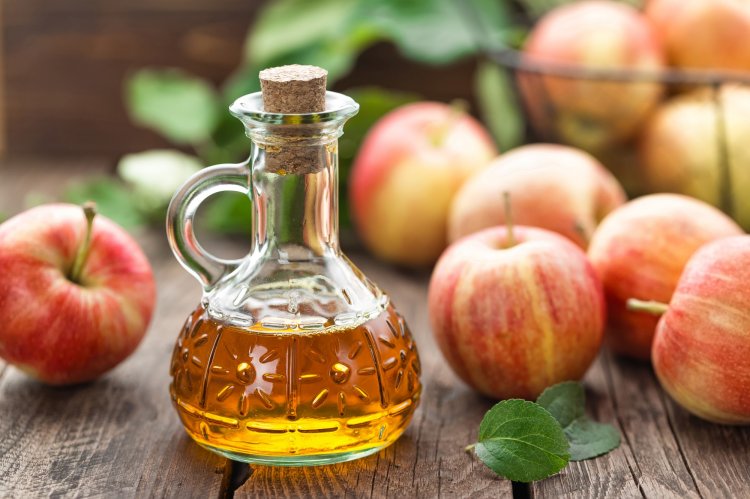
Homemade apple cider vinegar turns out quite mild, natural, and beneficial. And making it is not difficult at all, even if it's your first fermentation attempt. Apples, water, a little patience – and in just a few weeks, you'll have your own bottle at home. Take note of our 6 proven recipes!
1. Classic Apple Cider Vinegar
 Source: AdobeStock
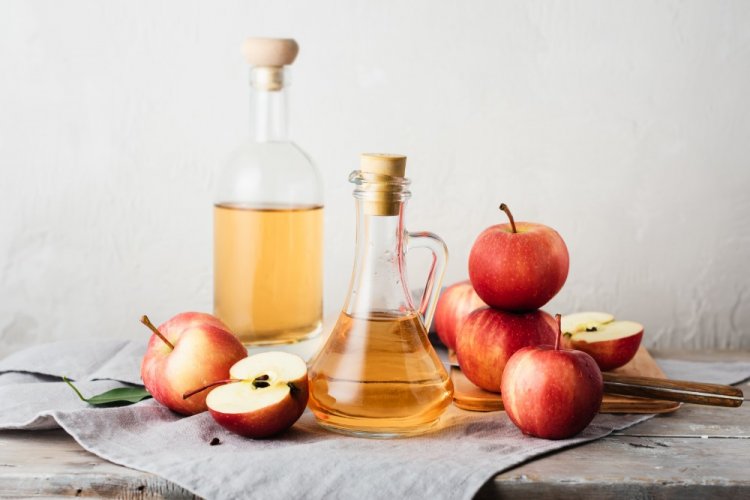
It's more convenient to make it from a large quantity of apples at once.
You will need: 5 kg apples, sugar, water.
Preparation: Remove the cores from unwashed apples and process the fruit through a meat grinder along with the skins (or grate them). Place the mixture into jars or other non-metallic containers, cover with cheesecloth, and leave for 2-3 days in a dark place at room temperature. Be sure to stir everything with a wooden spoon or stick 2-3 times a day!
Once the mixture ferments, squeeze it through cheesecloth. Pour the filtered juice into glass jars, filling them 3/4 full. Add sugar in a proportion of 50-80 g per 1 liter of juice, but adjust to taste – considering the acidity of the apples. If the juice is still too sour, add a little water, 50-100 ml per 1 liter of juice.
Seal the jar with an airlock or stretch a glove with a small hole in one finger over it and secure with a rubber band. It's important that everything is airtight and no air gets in! Leave the mixture for 25-40 days in a warm, dark place. When the glove deflates, carefully pour off the juice, avoiding the sediment at the bottom of the jar.
Pour the juice into a clean jar, cover with cheesecloth, and leave in a dark, warm place for another 45-60 days. Essentially, this is apple wine that should gradually sour and turn into vinegar. Filter the finished vinegar through cheesecloth and bottle it. Done!
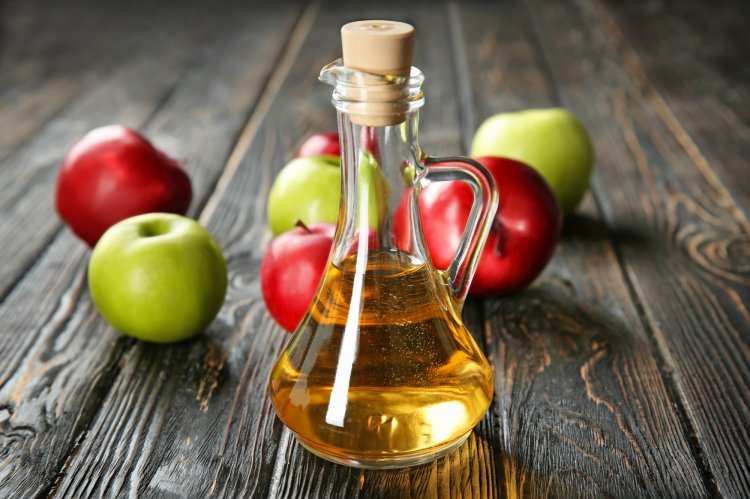
2. Apple Cider Vinegar with Sugar and Honey
 Source: AdobeStock
This vinegar will quickly become an indispensable helper in your kitchen!
You will need: 1 kg apples, 100-150 g sugar, 50 g honey, 1.5 L water.
Preparation: Remove the cores from the apples, process the pulp through a meat grinder, and put everything into a 3-liter jar. Heat 500 ml of water with sugar until dissolved, mix with the remaining water, and pour the resulting syrup over the apples.
Cover the jar with several layers of cheesecloth and secure with a rubber band. Leave the mixture for 10 days in a warm place, stirring it daily with a wooden stick or spoon. After this, strain the mixture through cheesecloth, squeeze the apples, and mix all the infusion with honey.
Pour the mixture back into the jar and cover with several layers of cheesecloth. Leave for another 40 days. During this time, the vinegar will lighten, and a jelly-like mass will form on top, which will gradually settle to the bottom. Pour the finished apple cider vinegar into clean bottles and store.
8 Excellent Homemade Chicken Stew Recipes
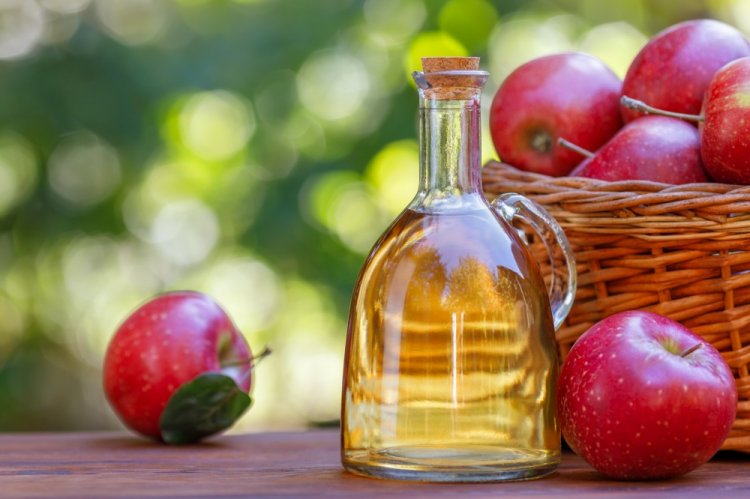
3. Quick Homemade Apple Cider Vinegar
 Source: AdobeStock
Making vinegar with this recipe will take a little less time than usual.
You will need: 2 kg apples, 100-200 g sugar, 3 L water.
Preparation: Roughly chop the apples, removing the cores, and place them in any non-aluminum container. Add sugar and pour hot water (about 70 degrees Celsius) over them, ensuring it covers the apples by 4-5 cm. Cover with cheesecloth and leave the mixture in a warm place for 2 weeks, stirring it daily with a wooden spoon.
After this, strain and filter the apple juice through cheesecloth, pour it into a clean jar or other container, filling it 3/4 full, and return it to a dark place for another 2 weeks. Strain again and bottle the finished vinegar into clean bottles.
Pumpkin Juice for Winter: 20 Homemade Recipes
4. Vinegar from Grated Apples
 Source: AdobeStock
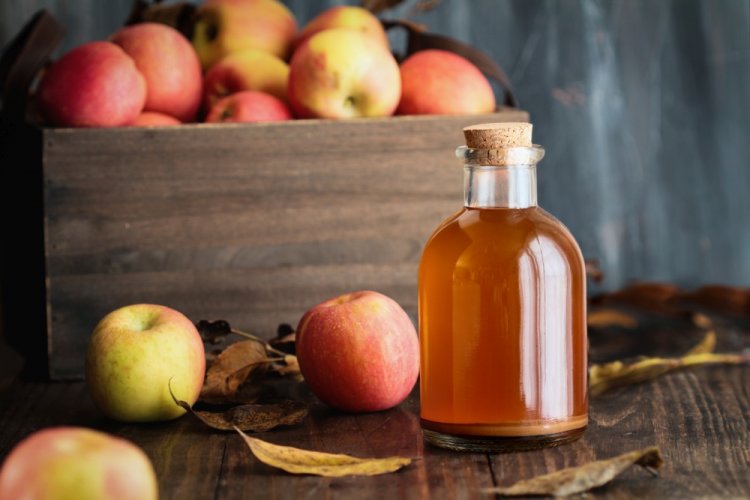
Try different recipes to choose which one suits you best.
You will need: 1 kg apples, 500 g sugar, 1.2-1.5 L water.
Preparation: Wash and grate the apples on a coarse grater along with their skins and cores. Pour warm water over them, add sugar, stir with a wooden spoon, cover with several layers of cheesecloth, and leave for 10 days in a dark, warm place. Don't forget to stir the mixture daily!
After this, strain everything and squeeze, and add a little more sugar if needed. Pour into a clean jar, cover again with cheesecloth, and put in a warm place for another 1.5 months. Bubbles, a sour smell, and a film on the surface are normal processes. Then strain the finished apple cider vinegar once more and pour it into sterilized bottles.
Turnips for Winter: 10 Most Delicious Homemade Recipes
5. Sugar-Free Apple Cider Vinegar at Home
 Source: AdobeStock
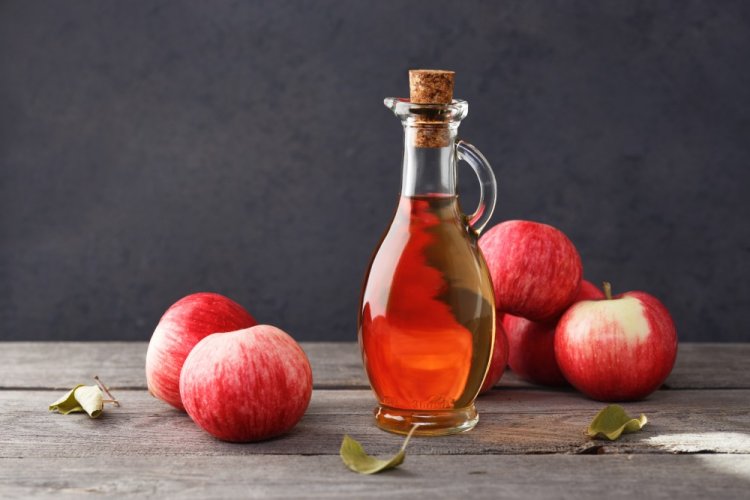
Especially for those who avoid excess sugar in their diet!
You will need: 1 kg sweet or tart-sweet apples, 1.5 L water.
Preparation: Remove the cores from unwashed apples and process the fruit through a meat grinder. Transfer the mixture to a glass jar, pour water over it, stir, and cover with several layers of cheesecloth. Leave the mixture for 1-2 days at room temperature.
After this, strain the juice, pour it into a jar or bottle, seal tightly, and let it sit for 30-40 days in a dark, warm place. The longer the vinegar infuses, the more acidic it will be. Store the finished apple cider vinegar in a cold place and use as needed.
Zucchini without vinegar for winter: 15 delicious recipes
6. Apple Cider Vinegar with Honey and Black Bread
 Source: AdobeStock
Just a small piece of dried bread, but it significantly improves the fermentation process!
You will need: 800 g apples, 25 g black bread, 1 L water, honey.
Preparation: Wash the apples and process them through a meat grinder or grate them along with their skins and cores. If you have leftover apple peels and cores from other preparations, they will also work. Pour water over the mixture, add a piece of dried bread, and 50-100 g of honey. Stir the mixture only with a wooden spoon!
Cover everything with cheesecloth and leave for 10 days in a warm, dark place, but remember to stir 2-3 times a day. After this, strain and squeeze the mixture through several layers of cheesecloth.
Pour the resulting juice into jars and add honey in a ratio of 50-100 g per 1 liter of juice. Stir, cover with a towel, secure with a rubber band, and leave in a warm, dark place for another 1.5-2 months. When the vinegar becomes clear, the sediment settles at the bottom, and a film appears on top – strain it and pour into clean bottles for storage.